CONFERENCE AGENDA
Wednesday, April 22, 2026
7:30 am – 8:15 am Registration and Coffee
8:15 am – 8:30 am Welcome
Safety Briefing – Jason Marshburn, Director, EHS&EM, Appalachian State University
Kickoff – Dr. Timothy Ludwig & Dr. Shawn Bergman
8:30 am – 9:30 am
From Safety to Significance: A Leadership Journey Forged in the Real World
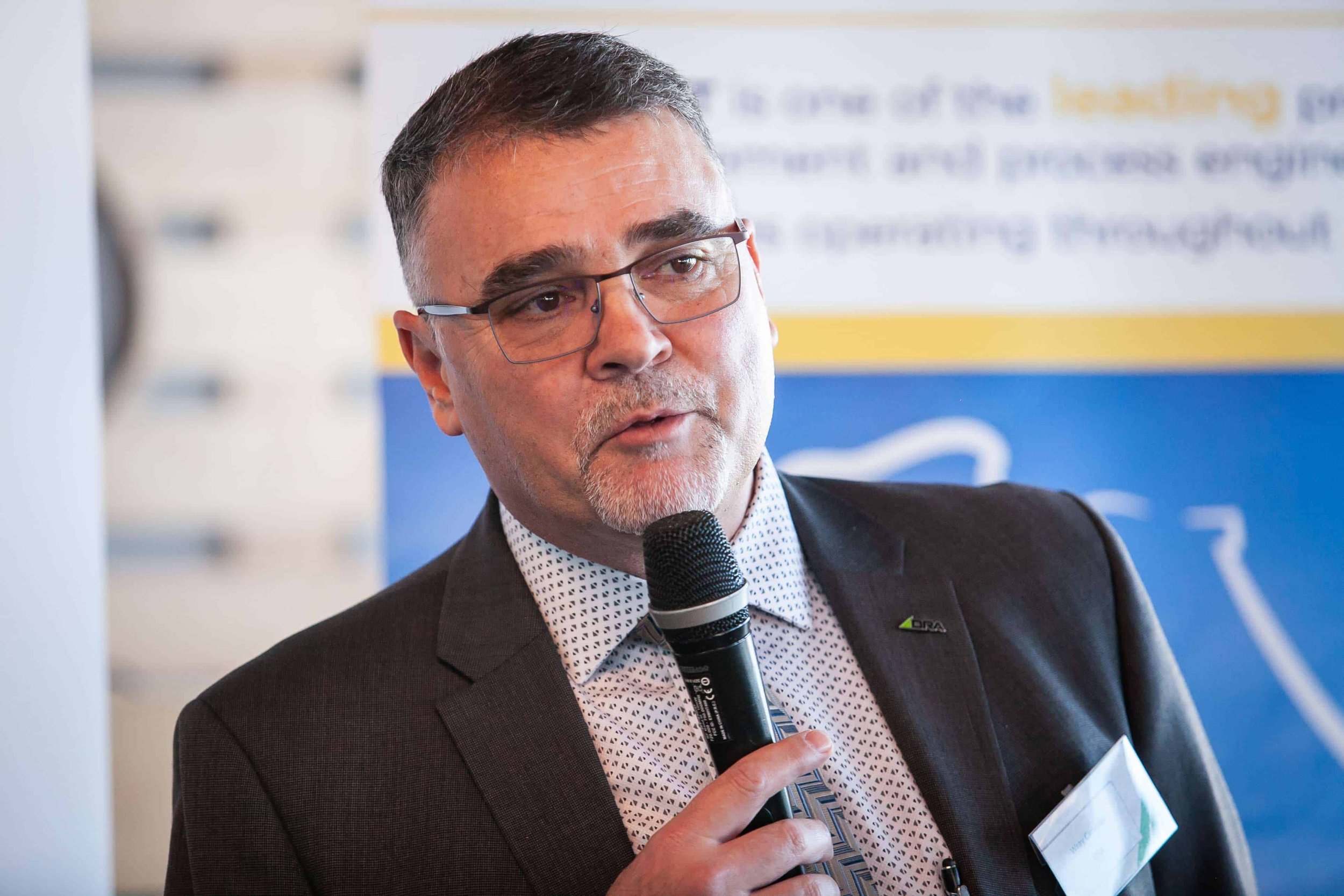
Wray Carvelas Ascencia Group
What if one defining moment could permanently change how you lead?
In this keynote, Wray Carvelas reflects on a personal journey that begins at a World Safety Convention in Miami and evolves into a transformative engagement with the Safety Performance Solutions team of Dr. Tim Ludwig and Dr. Scott Geller. What started as a quest to improve safety performance became a profound redefinition of leadership itself.
Through hard-earned lessons from leading major projects and guiding a global organization, Wray reveals how safety leadership is not a discipline—it’s a set of attitudes and values that shapes how leaders think, act, and influence others. Attendees will see how principles grounded in human behavior, accountability, and care became the catalyst for personal growth, organizational impact, and ultimately the foundation of a leadership consulting practice.
This keynote is more than a story of professional success. It is a candid exploration of growth—of moving from technical expertise to human-centered leadership, from managing outcomes to inspiring people.
9:30 am – 10:30 am
Vital Behavior Excellence: Cracking the Code on Frontline Execution
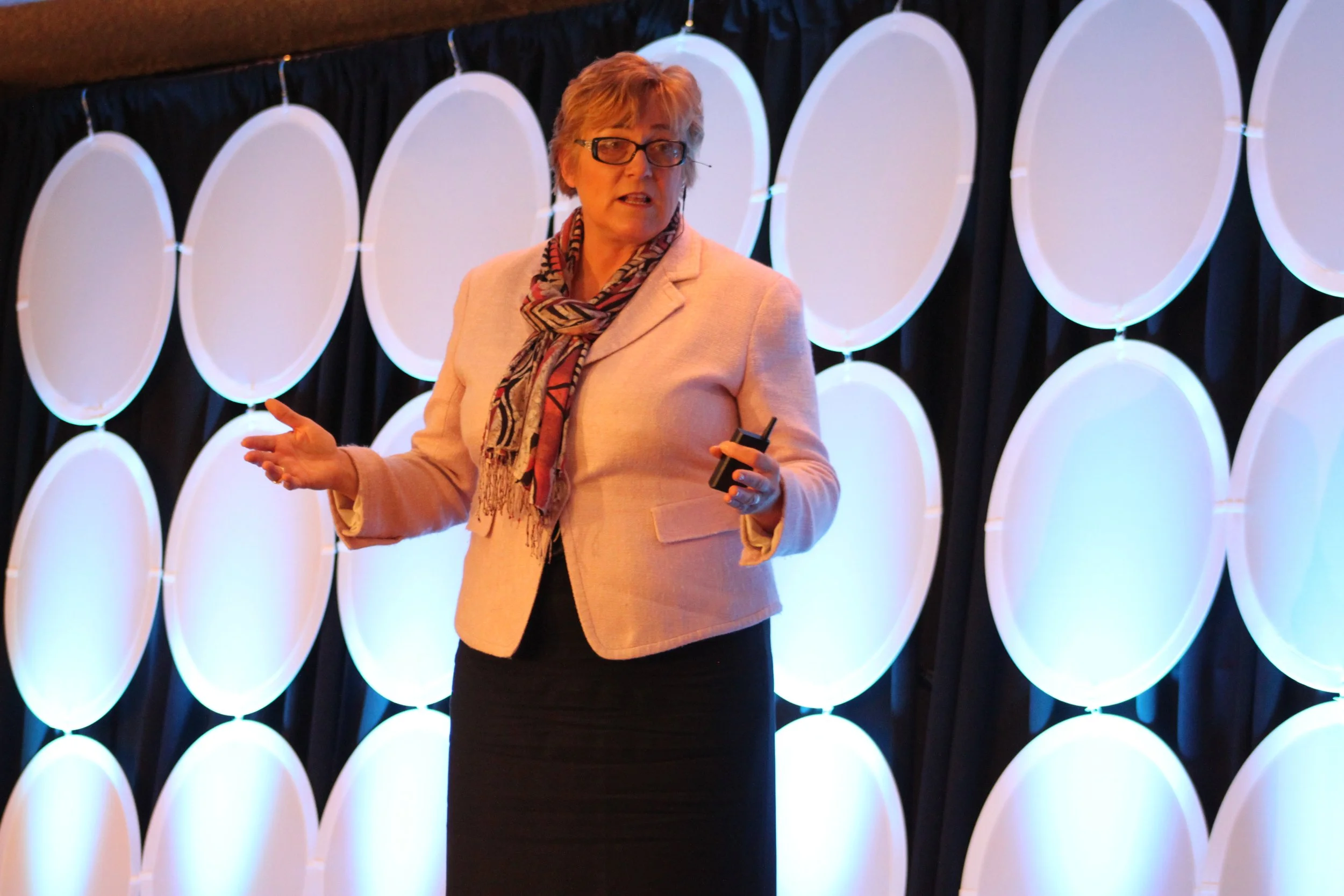
Dr. Julie Smith, Performance Ally
Joint Job Site Visits (JJSVs) are one of a refinery’s most critical safeguards—an essential operational ritual where operators, maintenance, and contractor teams align on job scope, risks, and mitigations before work begins. Yet across the industry, the handoff between Operations and Maintenance remains a persistent pain point, often marked by inconsistent communication, unclear expectations, and rushed field alignment.
In this session, Dr. Julie Smith presents a real-world case study of how one refinery used the Vital Behavior Excellence methodology to transform Joint Job Site Visits, achieving rapid, measurable improvements in quality, communication, and hazard mitigation.
Participants will learn how a cross-functional design team developed a Vital Behavior Blueprint to identify the four vital behaviors that mattered most, build sitewide buy-in, and deploy a structured habit-building system. In just four months, JJSV quality improved from 3.5 to nearly 4.7, while frontline engagement increased and safety results dramatically improved.
The session also explains why traditional, compliance-driven programs often fail and why VBE succeeds. Unlike top-down initiatives driven by corporate mandates, the JJSV Vital Behavior Blueprint was co-created with operators, maintenance, contractors, and frontline leaders. Between design sessions, the team conducted extensive field outreach to validate assumptions, pressure-test ideas, and ensure the behaviors would work in real operating conditions.
Most importantly, attendees will see how this approach can be easily transferred and scaled within their own organizations. VBE provides a shared language and a replicable system for turning best practices into organization-wide habits. Employees gain clear expectations, timely feedback, visibility into how their actions drive results, and the support needed to consistently perform the behaviors that matter most.
Participants will leave with a practical blueprint for turning mission-critical behaviors into reliable frontline habits that strengthen safety, execution, and culture.
10:30 am – 10:50 am Break
11:00 am – Noon
Human Performance: Building a Bridge between Science and Business Reality
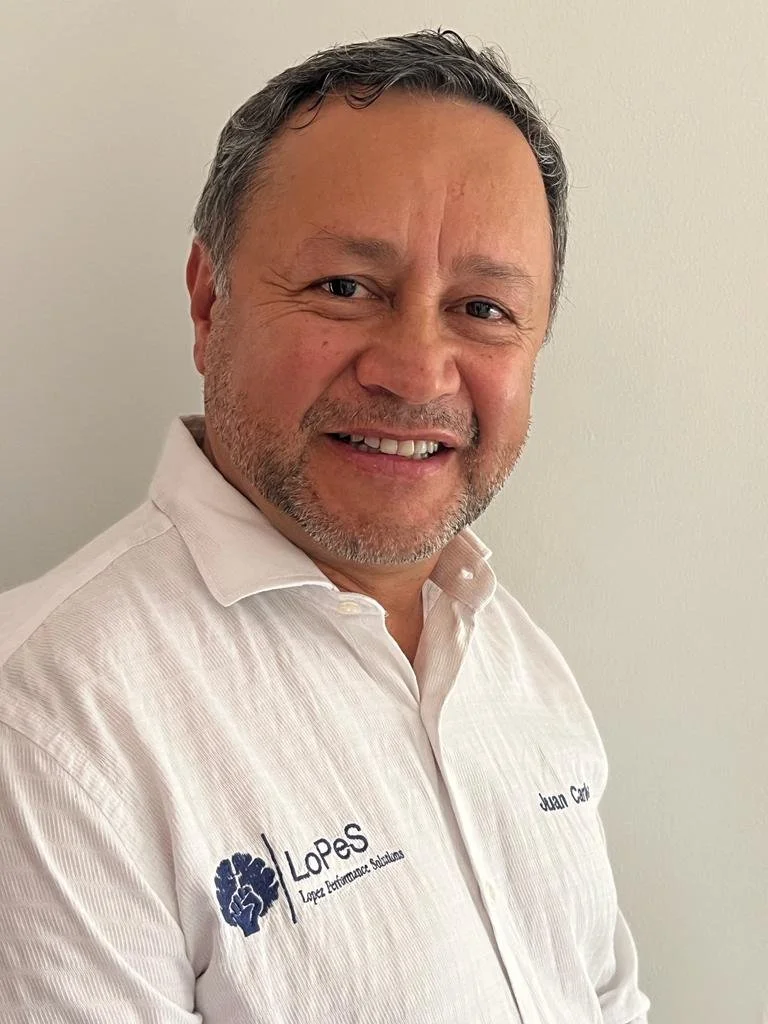
Juan Carlos Lopez, Lopez Performance Solutions
This interactive conversation will stimulate the audience with a disruptive human performance improvement model developed by Lopez Performance Solutions. The model is based on industrial and organizational psychology scientific principles, applied in an elegant and pragmatic way to real business challenges. The Author will show such scientific principles, the methodologies and success case-studies, along with provocative questions about the role of the science and artificial intelligence in the future of human performance in organizations.
Noon – 1:00 pm Lunch (Included in Registration)
1:00 pm – 1:30 pm SLAM Session 1
P.A.N.E.S. Team - MI Windows and Doors, Hegins, PA
An Innovative Training Approach to Stand Up Behavioral Safety through a Home-Built Video and 1:1 Coaching

Workforce Training is a necessity in any behavioral safety stand up so team members understand the principles and processes while having the opportunity to practice the observation and feedback skills for their peer interactions. However, training can be expensive as you pull employees off the line en-mass for ‘death by powerpoint’ workshops with limited practice. The PANES Team wanted to do something different so they took a cell phone camera and taught the principles and practice with their own actors. Team members then watched the video and immediately practiced the process in the field with a PANES member who coached them on effective interactions.
1:30 pm – 2:00 pm SLAM Session 2
Appalachian State - Behavioral Safety Analytics Team
Behavioral Safety Observations reduce Injury Probability and other “Safety Truths”
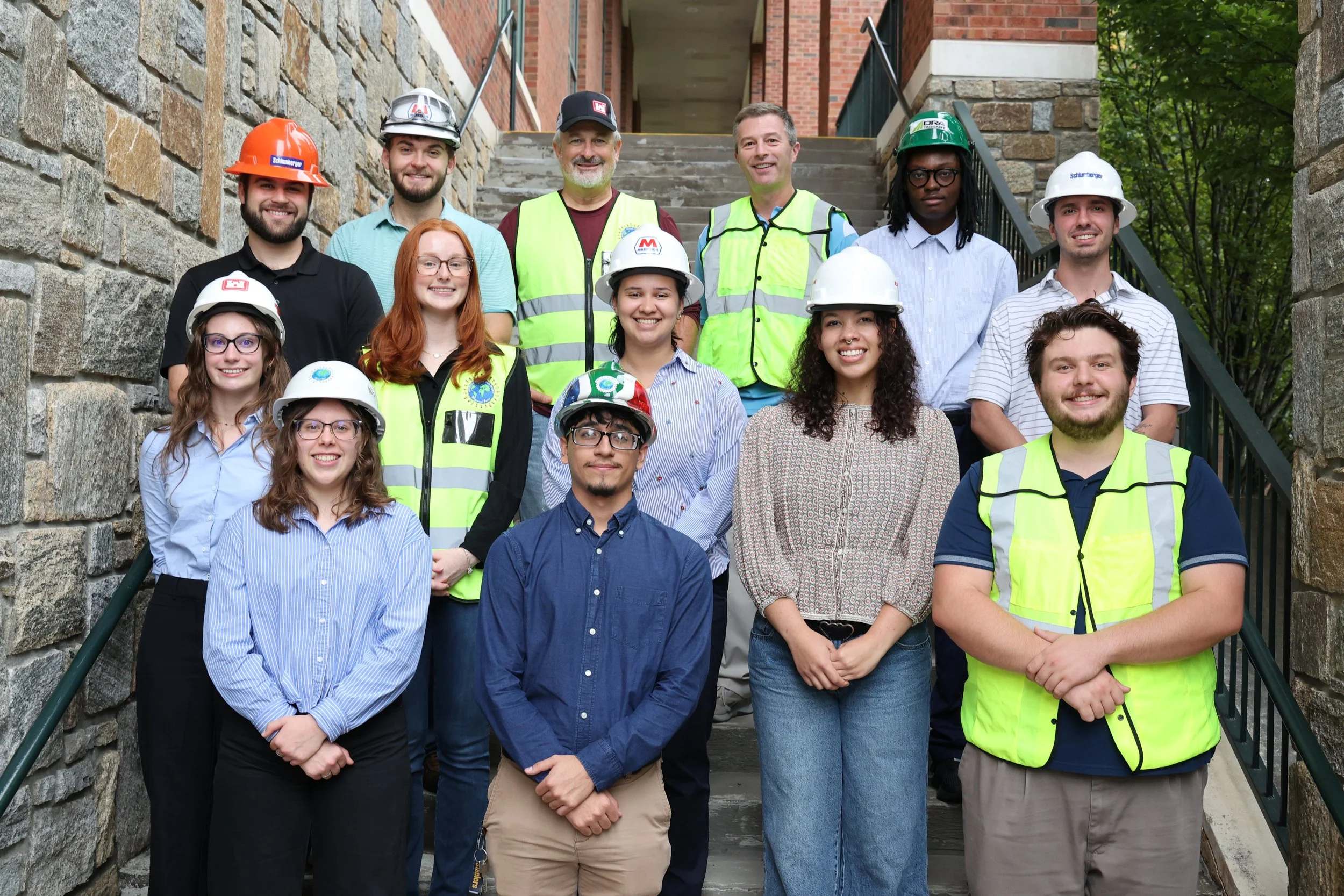
The Behavioral Safety Analytics Team at AppState has been gathering safety, HR and operations ‘big’ data from industry partners for a decade using predictive and text analytics to document the empirical impact of behavioral safety and other safety interventions on injury probability. We bring you our latest findings each Safety Summit.
2:00 pm – 2:20 pm Break
2:30 pm – 3:30 pm
Focus on what Matters to Identify and Mitigate Serious Injuries and Fatalities (SIFs)
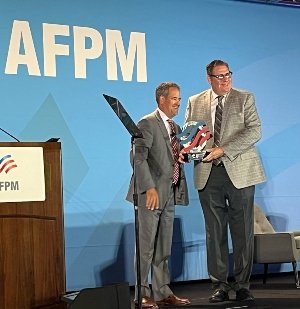
Fritz Kin
Drawing on 27 years of experience at Marathon Petroleum—including seven years as the Senior Director of Safety, Security, and Process Safety Management—Fritz Kin shares critical insights into identifying and mitigating the risks that lead to high-consequence events. This presentation explores how Kin transformed safety operations by moving beyond traditional models and metrics to embrace Behavior Based Safety and Human and Organizational Performance (HOP) principles.
Attendees will learn how to apply a modern, people-centered approach to safety leadership by understanding how an organization’s culture and systems influence behavior. By focusing on "what matters," Kin demonstrates how to build organizational resilience and move toward a deeper understanding of how organizational and systemic factors drive behaviors in the field and ultimately performance. This session is designed to help safety leaders move past surface-level observations and metrics to implement next-level strategies that effectively identify and mitigate Serious Injuries and Fatalities (SIF)
3:30 – 5:00 pm
The Epic Battle between the C.A.R.E. Bears and C.A.V.E. Dwellers for your Safety Culture
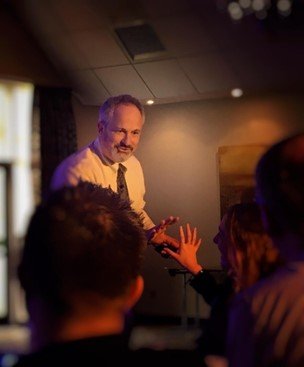
Dr. Timothy Ludwig Appalachian State University & Safety-Doc.com
A 'cool kid' dynamic shapes safety culture. This dynamic is critical because the vast majority of a workforce sits in the "great middle" of safety engagement. These workers are generally ambivalent; they are willing to work safely when convenient, but also willing to take occasional risks . Because they are uncommitted, this "great middle" is susceptible to being pulled in a positive or negative direction by the "cool kids".
This cultural tug-of-war is driven by two distinct types of influencers:
CAVE Dwellers (Citizens Against Virtually Everything): Tthe negatively engaged "cool kids" who actively thwart safety efforts by mocking new procedures as the "flavor of the month," encouraging shortcuts like "pencil whipping" forms, and using cunning delay tactics. When the ambivalent "great middle" sees these rebellious behaviors getting attention and social approval, they start to mimic, which pulls the safety culture toward negative engagement.
CARE Bears (Citizens Advancing Real Engagement): The positive influencers who lead by example, take pride in working safely, and have the courage to coach peers on at-risk behaviors. It is much harder to be a CARE Bear than a CAVE Dweller. They must navigate resistance from both peers and management, and their efforts are rarely reinforced because their successes are invisible— injuries that didn't happen.
Ultimately, workplace safety culture is shaped by which group of influencers successfully recruits the "great middle". To build a positive culture, organizations must realize that reacting to and designing rules around the squeaky CAVE Dwellers only gives them more power and pulls the middle toward them. Instead, leadership must focus on equipping and supporting the CARE Bears
5:00 Adjourn
Thursday, April 23, 2026
7:30 am – 8:00 am Coffee & Breakfast
8:00 am – 8:15 am Day 2 Kickoff
8:15 am – 9:15 am
Activate Your Safety X-Ray Vision: Using Data with AI to See Through the Clutter and Empower Worker Safety
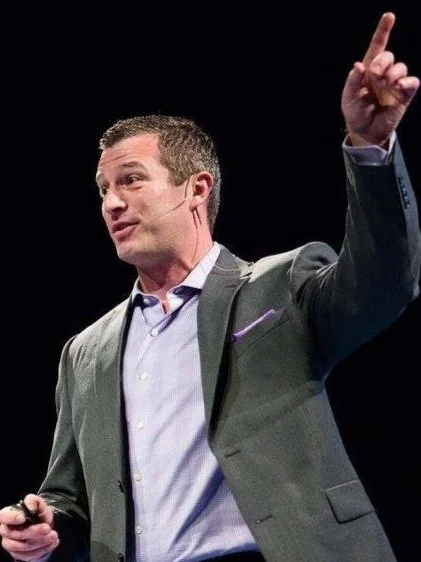
Dr. Shawn Bergman, Appalachian State University, VELA
The transition from a reactive safety culture to a proactive one requires a fundamental shift in how professionals handle information. While the data exists—spanning incident reports, telematics, safety audits, and wearable sensors—the challenge remains in using that information to cut through the noise and prevent the next injury.
This session bridges the gap between traditional safety management and modern data science by demystifying the analytical maturity curve. It demonstrates how Descriptive analytics (What happened?) and Diagnostic analytics (Why did it happen?) lay the essential groundwork for Predictive models (What will happen?) and Prescriptive actions (How to prevent incidents?).
Participants will engage in guided activities that apply AI-driven logic to real-world safety scenarios. The session outlines a "Data-to-Action" Blueprint that teaches attendees to assess data quality, leverage AI for pattern recognition, and communicate findings to stakeholders to drive cultural change. Whether a data novice or a tech-savvy safety leader, every attendee will gain a practical framework to transform "big data" into "smart safety" and empower their workforce to reach its full potential.
9:15 am – 10:15 am
Approaching Employee Health and Wellbeing from all Levels of the Organization
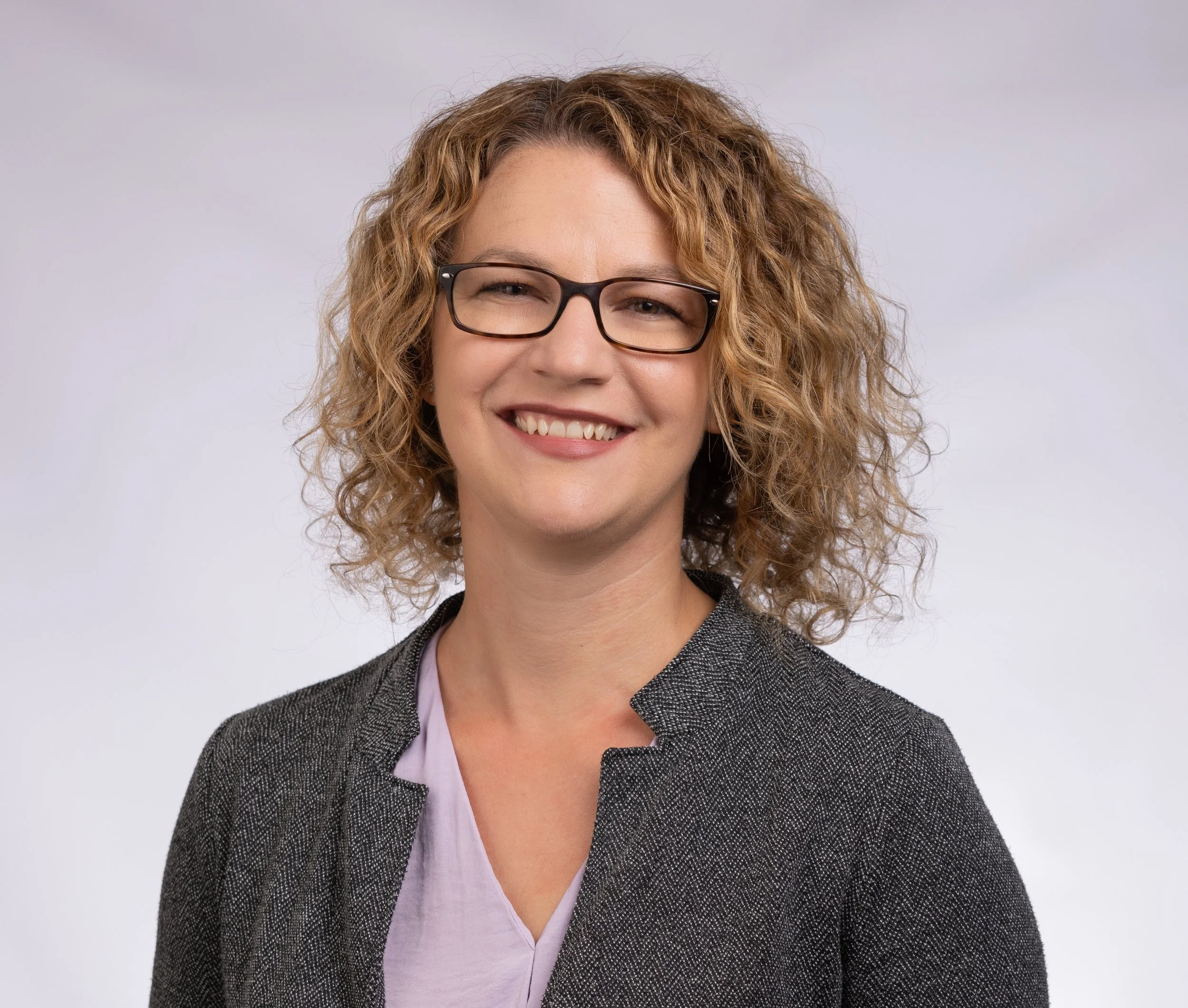
Dr. Sharlet Rafacz Western Michigan University.
Worker health and wellbeing has become an important area in business, particularly in those industries that struggle with high rates of burnout and turnover. The field of occupational health psychology, when combined with organizational behavior management, provides guidance as to best practices for resolving health and wellbeing concerns.
We can address burnout and turnover at the employee level through interventions such as self-care and job crafting. However, burnout, and health and wellbeing more broadly, can be addressed at multiple levels of the organization. This talk will outline the different levels at which we can address employee health and wellbeing and why prioritizing higher levels is important. Interventions at each of these levels will be discussed and assessments to determine what interventions may be appropriate for an organization reviewed. At the conclusion of this presentation, attendees will leave with several tools and resources to help address the health and wellbeing of themselves, their co-workers, and supervisees.
10:15 am – 10:30 pm Break
10:30 am – 12:30 pm
CAPTAINS OF INDUSTRY
A panel discussion with former executives on the leadership behaviors that impact workforce safety
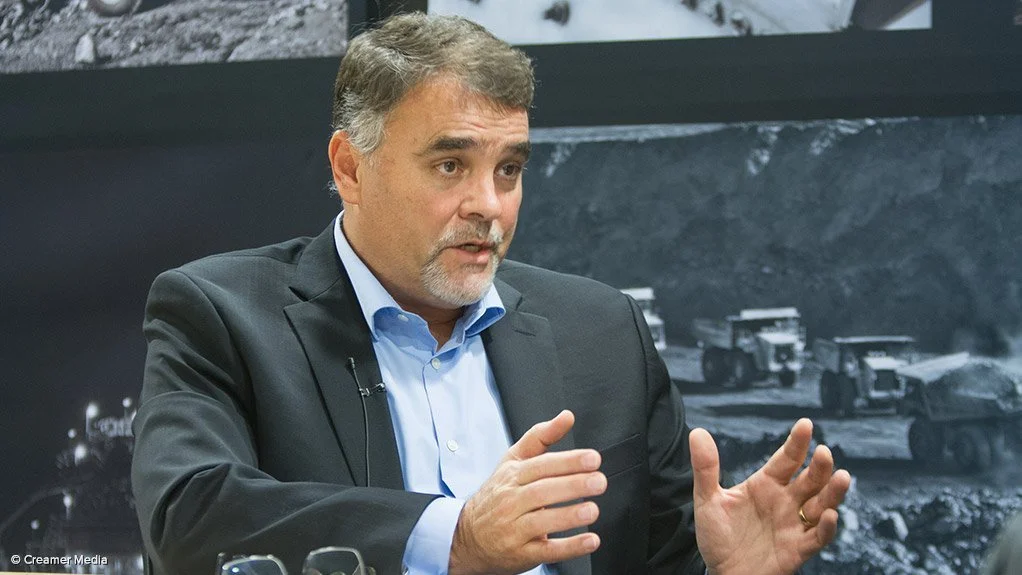
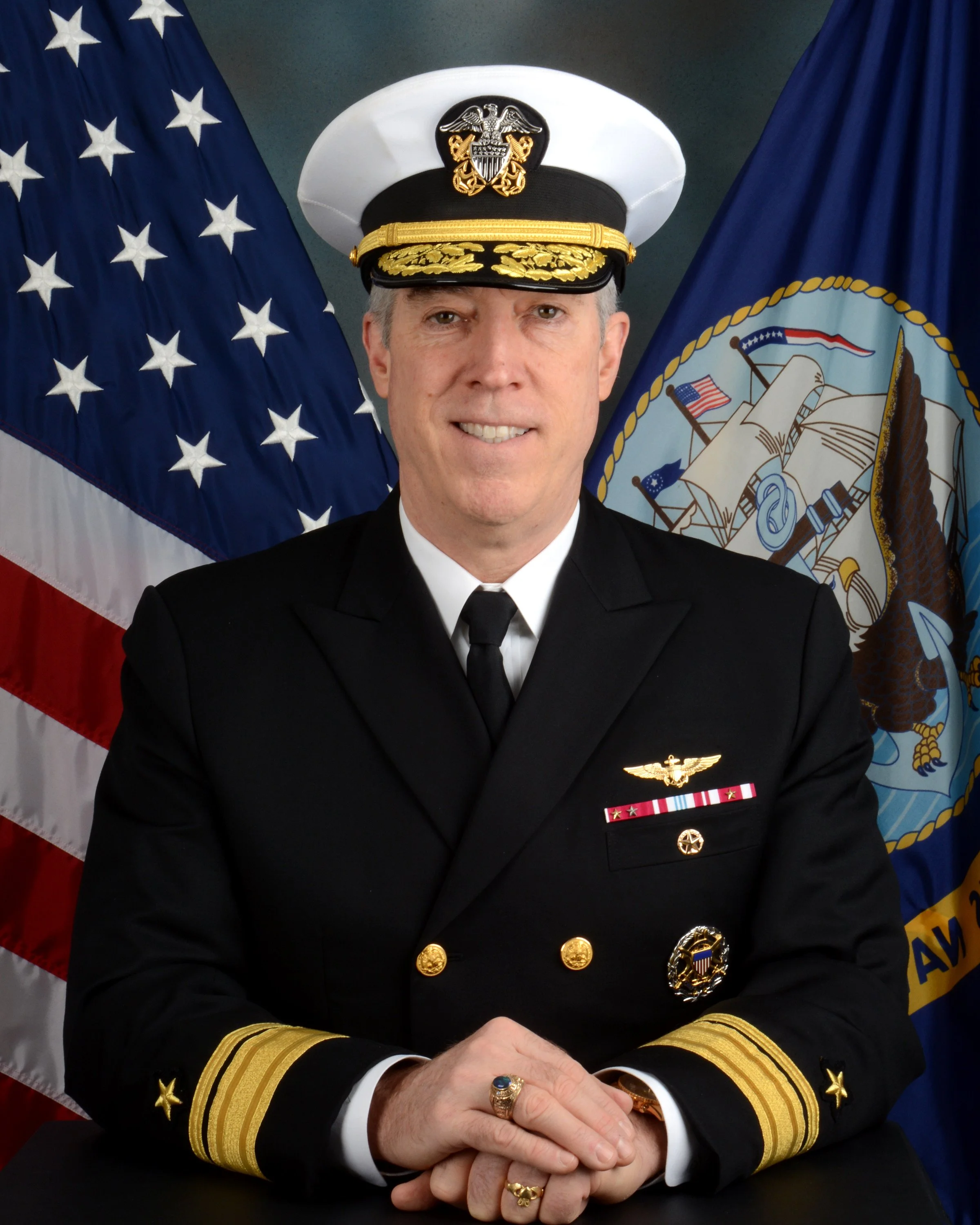
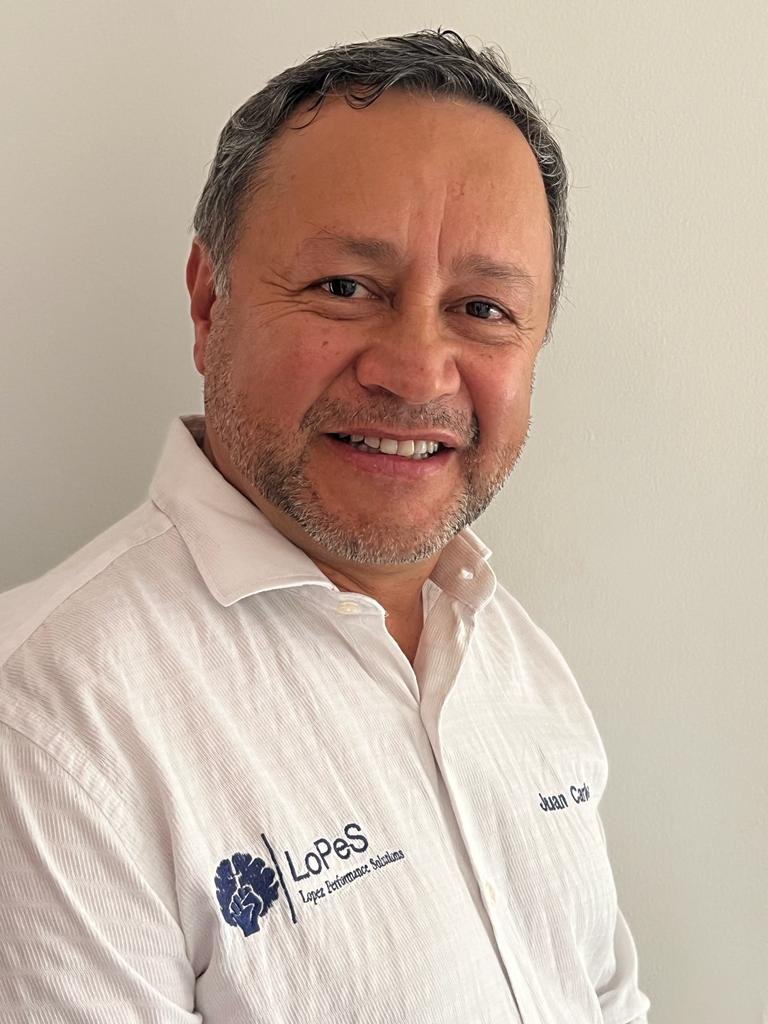
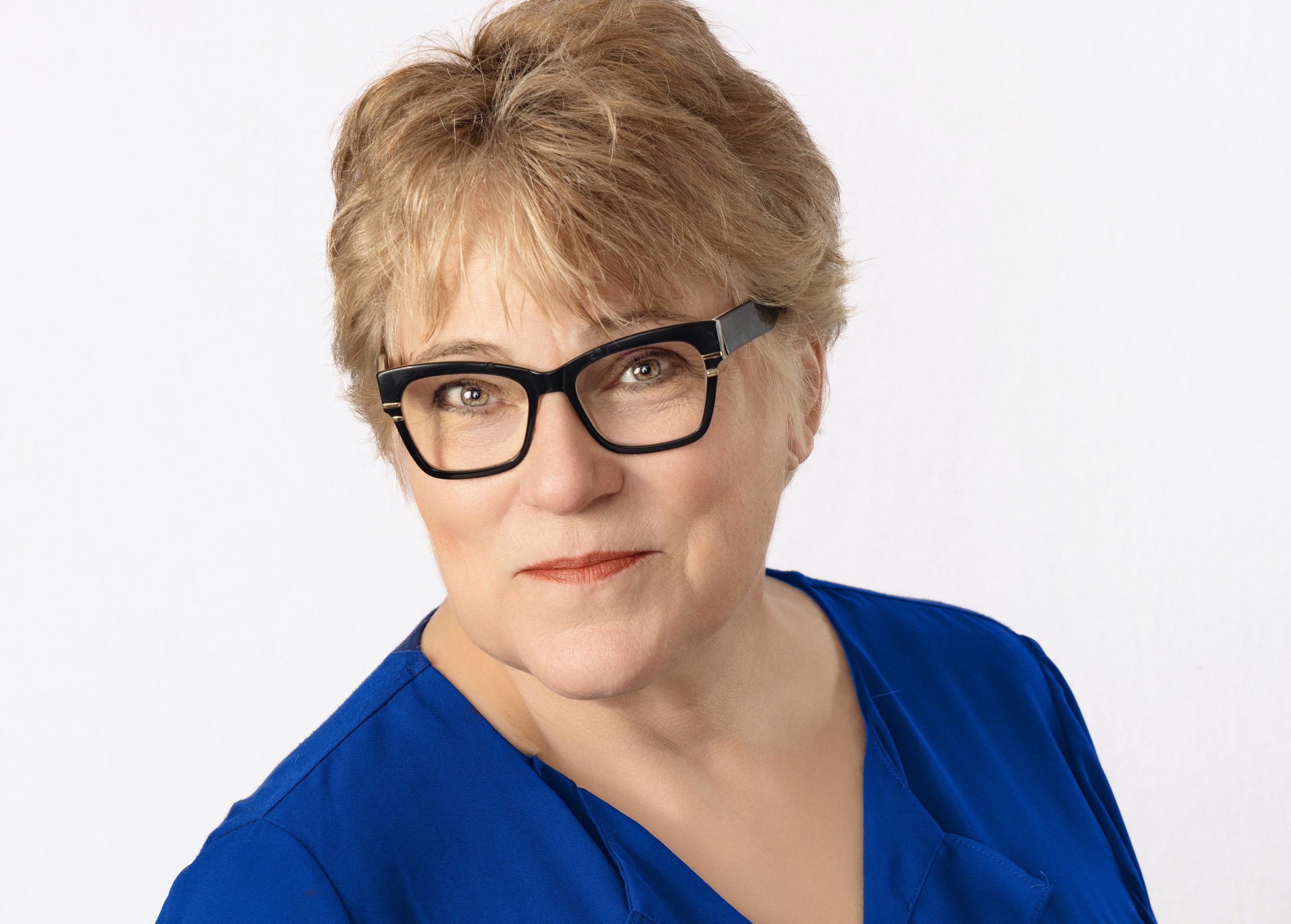
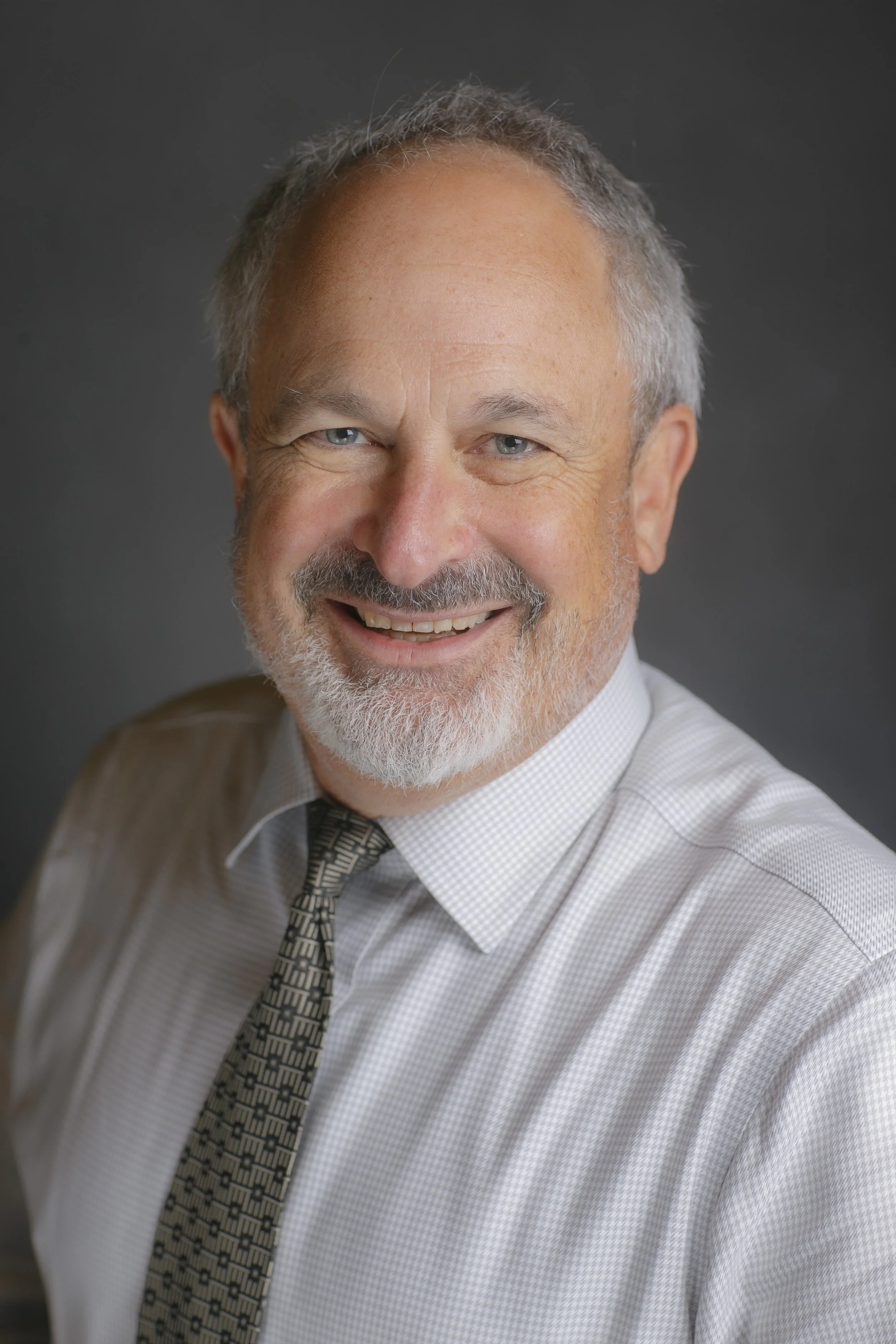
Featuring:
Wray Carvelas - Former CEO, DRA Global
Admiral John Meier - Retired - U.S. Navy - Naval Aviation Atlantic Strike Force
Juan Carlos Lopez - Former HSE and business unit executive - Shlumberger
J. Fritz Kin - Former HSE director - Marathon Petroleum - Refining Division
Dr. Julie Smith - Founder CLG and Performance Ally
Moderator:
Dr. Timothy Ludwig
Experience brings wisdom. A career in industry, the military or in service brings you in contact with tough decisions, complex strategy and personal behaviors that impact your life and the lives of others. When given greater responsibility these experiences must be paired with self-directed learning from expert sources, science and mentors. In the end there is pride, missed opportunities and space to ponder how it all comes together.
Join Dr. Ludwig in asking the hard questions on leadership behavior to our powerful and gracious group of former executives during this 2-hour panel discussion to cap off our CAPTAINS OF INDUSTRY feature.